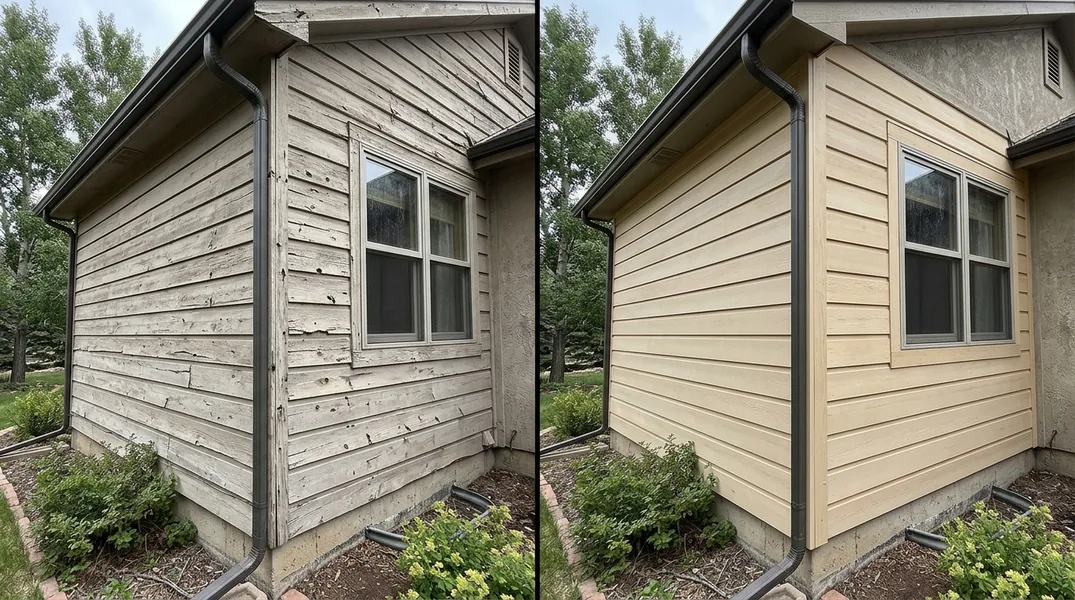
Hail Damage vs Dry Rot: Why the Distinction Matters
Colorado Springs homeowners face a unique challenge when it comes to wood damage. Our region experiences severe hail storms that can pummel roofs, siding, and exposed wood surfaces. At the same time, the dry climate and intense sun create ideal conditions for dry rot to develop slowly and silently within your home's structure. Understanding the difference between these two damage types is critical because they require completely different repair approaches and timelines.
Hail damage is sudden and visible. It strikes your home during a storm, leaving immediate marks and gouges on exterior surfaces. Dry rot, by contrast, is a slow-moving fungal decay that works from the inside out. A piece of wood can look fine on the surface while being structurally compromised underneath. Confusing the two could lead you to either ignore serious decay or spend money on unnecessary repairs. This guide will help you identify what's actually wrong with your Colorado Springs home so you can take the right action.
What Does Hail Damage Look Like on Wood?
Hail damage on wood surfaces is usually unmistakable. When hailstones strike, they leave dents, cracks, and splintered areas on exposed wood like fascia boards, trim, siding, and deck railings. The damage pattern is random and scattered, reflecting the chaotic nature of a hailstorm. You'll often see multiple impact points across the same board or section of wall. Fresh hail damage appears as light-colored gouges where the wood's outer layer has been stripped away, exposing the raw wood beneath.
One key characteristic of hail damage is that it happens all at once. If you can pinpoint a recent storm that coincides with the appearance of damage, hail is likely the culprit. The wood around the impact sites remains structurally sound unless the damage is severe enough to create deep cracks that allow water penetration. Hail damage is also typically confined to surfaces that face the direction the storm came from, so you might see damage on one side of your home but not the other. Unlike dry rot, which spreads gradually, hail damage doesn't worsen on its own unless water gets into the cracks and begins to cause rot.
Understanding Dry Rot and Wood Cracking Causes
Dry rot is a misnomer that confuses many homeowners. The condition actually requires moisture to develop, despite its name. The fungus that causes dry rot thrives in wood with moisture content between 20 and 60 percent. Once established, it breaks down the wood's cellular structure, causing it to become brittle, discolored, and eventually crumbly. Unlike hail damage, dry rot doesn't announce itself with a visible event. Instead, it develops silently over months or years, often hidden behind walls, under roofing, or in crawl spaces where you can't see it.
Wood cracking causes vary, but dry rot is a major culprit. As the fungus consumes the wood, it causes the material to shrink and crack in a distinctive cubic or blocky pattern. These cracks run perpendicular to the wood grain, creating a checkerboard-like appearance. You might also notice a musty smell, paint that bubbles or peels, or wood that feels soft when you press on it. The damage spreads from the interior outward, so by the time you spot visible rot on the surface, the problem has likely penetrated deep into the wood. This is why Wood Rot & Dry Rot Repair needs to be addressed quickly before structural damage becomes severe.
Sun Damaged Wood vs Hail Damage: Another Common Confusion
Colorado Springs receives over 300 days of sunshine annually, and that intense UV exposure takes a toll on exterior wood. Sun damaged wood develops a weathered, gray appearance as the sun's rays break down the wood's protective outer layer. The wood becomes dry and brittle, and the surface may splinter or crack from the stress of constant expansion and contraction due to temperature swings. However, sun damage alone doesn't weaken the structural integrity of wood the way dry rot does. It's primarily a cosmetic issue that can be addressed with refinishing or repainting.
The confusion arises because sun damaged wood can look similar to hail damage at first glance. Both create surface cracks and discoloration. However, sun damage develops gradually across large areas of exposed wood, while hail damage appears suddenly and in isolated impact points. Sun damaged wood also tends to have a uniform weathered appearance rather than the jagged, splintered marks left by hail. Additionally, sun damage doesn't typically create the deep gouges or the random scatter pattern characteristic of hail strikes. If your wood damage is widespread, uniform, and gray in color, sun damage is more likely. If it's concentrated, sudden, and accompanied by visible impact marks, hail is the probable cause.
How to Inspect Your Home for Hidden Damage
A thorough inspection is your best defense against undiagnosed wood damage. Start by examining all exposed wood on your home's exterior: fascia boards, soffits, trim, siding, and deck structures. Look for the random impact marks and gouges that indicate hail damage, and check for the soft, crumbly texture or cubic cracking patterns of dry rot. Pay special attention to areas where water tends to collect, such as around gutters, downspouts, and roof valleys. These are prime locations for dry rot to develop because moisture accumulates there.
Don't forget to inspect areas you can't see easily. Check your crawl space or basement for wood rot on floor joists and support beams. Look at the underside of your deck and any wood that touches the ground. Use a screwdriver or awl to probe suspicious areas. If the tool sinks easily into the wood, you likely have rot. Take photos of any damage you find and document the date and location. This information will be invaluable when you contact a professional. If you're in Colorado Springs and unsure about what you're seeing, don't hesitate to reach out to Colorado Springs Carpentry at (719) 368-8936 for a professional assessment.
When to Call a Professional for Wood Rot & Dry Rot Repair Near Me
If you've identified hail damage that's purely cosmetic and hasn't created openings for water entry, you might be able to address it with sanding and refinishing. However, if the damage is deep, has created cracks that expose the wood's interior, or if you suspect any moisture has gotten into the wood, professional repair is essential. Dry rot always requires professional intervention because it's nearly impossible to remove all affected wood without proper tools and expertise. If you treat only the surface while the rot continues spreading inside, you're wasting time and money.
The stakes are even higher if the damaged wood is structural, such as floor joists, beams, or load-bearing walls. Any compromise to these elements puts your home's safety at risk. Wood Rot & Dry Rot Repair in these areas often involves removing the affected sections and installing new wood, sometimes requiring temporary support structures during the work. If you suspect structural damage, contact Colorado Springs Carpentry right away for a free estimate. Our team can assess the extent of the damage and recommend the best course of action to restore your home's integrity and safety.
Looking for a professional carpentry contractor in Colorado Springs? Colorado Springs Carpentry responds fast for all your carpentry needs.
Get a Free QuoteOur services: Wood Rot & Dry Rot Repair · Termite Damage Repair · Floor Joist & Subfloor Repair