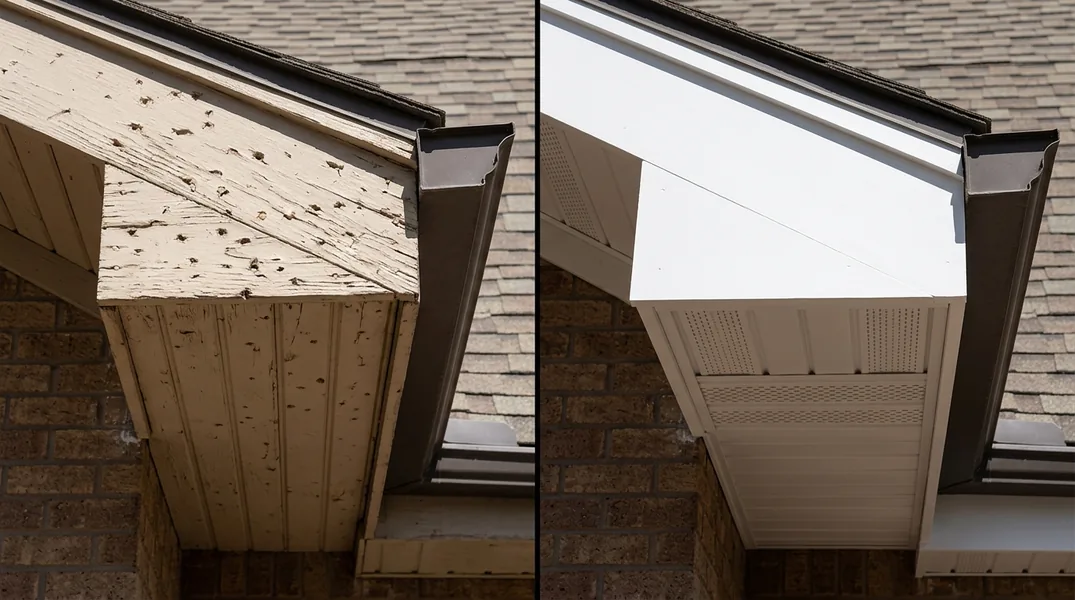
The Charm and Challenge of Historic Homes in Colorado Springs
There's something undeniably magical about owning a Victorian home in the North End or a cozy cottage in Manitou Springs. These properties carry decades of character, original woodwork, and architectural details you simply cannot replicate in modern construction. But that charm comes with a responsibility: historic homes demand a different approach to maintenance than their newer counterparts.
If you've recently purchased one of these treasures, or you've owned one for years, you already know that old homes teach you lessons quickly. The wood that gives these structures their soul is also their most vulnerable system. Colorado Springs experiences significant seasonal swings, from hot, dry summers to cold winters with occasional freeze-thaw cycles. These conditions create the perfect storm for wood deterioration if you're not paying attention. The good news is that with honest maintenance and the right professional support, your historic home can remain beautiful and structurally sound for generations to come.
Understanding Wood Rot in Historic Homes: Why It Happens Here
Wood rot is the silent threat that lurks in many older homes. Unlike visible damage you can see immediately, rot develops gradually in hidden spaces: behind siding, in basement rim joists, under porches, and within wall cavities. The process begins when wood moisture content exceeds 20 percent for extended periods. In Colorado Springs, where we experience snow melt in spring and occasional heavy rains, combined with poor drainage or compromised gutters, moisture finds its way into places it shouldn't.
Historic homes are particularly vulnerable because they were often built with materials and methods that, while charming, weren't designed with modern moisture barriers in mind. Victorian homes frequently feature wood siding directly over wood framing with minimal protection. When water penetrates through failed caulk, damaged paint, or deteriorated siding, it has direct access to the structural wood beneath. Wood Rot & Dry Rot Repair becomes necessary when the damage has progressed beyond surface treatment, and this is where professional assessment becomes critical. Some rot can be arrested with proper intervention, but if left unaddressed, it can compromise the entire structural integrity of your home.
Wood Siding Repair: The First Line of Defense
Your home's siding is essentially its raincoat. For Victorian homes and historic cottages, this is often the original wood siding, which adds to the property's authenticity but requires dedicated maintenance. Wood siding repair isn't just cosmetic; it's a preventive health measure for the entire structure. When siding boards begin to cup, crack, or separate, water infiltration accelerates dramatically.
The honest truth about historic home maintenance is that you cannot ignore your siding. Every year, you should walk around your home and look for signs of trouble: paint peeling or blistering, wood that feels soft to the touch, gaps where boards have separated, or visible cracks. These are all invitations for moisture to enter. Seasonal caulking and repainting are not luxuries; they're essential maintenance. In many cases, individual boards can be replaced without removing the entire siding system, preserving the historic character while restoring protection. Colorado Springs Carpentry specializes in this kind of targeted repair that respects the original construction while ensuring your home stays dry.
Seasonal Maintenance: What Your Historic Home Needs Year-Round
Historic home maintenance is a year-round commitment. Spring is the time to inspect for winter damage, check that gutters are clear and functioning, and look for any signs that water has penetrated during snowmelt. Summer is when you should address exterior painting and caulking, as dry conditions allow these tasks to be completed properly. Fall requires gutter cleaning and preparation for winter moisture. Winter itself is a monitoring season, watching for ice dams and ensuring that your drainage systems are working as snow melts.
One critical area that homeowners often overlook is the basement or crawlspace. These areas accumulate moisture naturally, and in older homes, they're often the first place where wood rot and structural damage appear. Floor Joist & Subfloor Repair may become necessary if basement moisture has compromised the wooden support structure. Regular inspection of these spaces, combined with proper grading around your foundation and functioning downspouts that direct water away from the home, can prevent expensive repairs down the road. If you notice soft spots in your floors, a musty smell in the basement, or visible deterioration of wooden support beams, it's time to call a professional for an honest assessment.
When to Call a Professional: Wood Rot & Dry Rot Repair Near Me
Not every wood maintenance issue requires professional intervention, but some absolutely do. If you've discovered soft wood, visible rot, or structural damage, attempting a DIY repair can actually make the situation worse. Professional carpenters understand how to assess the extent of damage, determine whether the wood can be treated or must be replaced, and ensure that repairs address both the visible damage and the moisture source that caused it.
Colorado Springs Carpentry has spent years working on historic homes throughout the region, understanding the unique challenges that Victorian architecture and older construction methods present. When you're dealing with potentially compromised structural elements, the stakes are too high for guesswork. A professional inspection can identify problems you might miss and provide a clear path forward. Whether you need a simple repair or extensive restoration, getting a free estimate is the smart first step. You can reach the team at (719) 368-8936 to schedule an assessment of your home's condition.
Historic Home Maintenance Cost: Budgeting for the Long Term
Let's talk honestly about money. Maintaining a historic home costs more than maintaining a newer home. This isn't a reason to avoid ownership; it's simply a reality you should understand and budget for accordingly. The good news is that preventive maintenance is far less expensive than emergency repairs. Spending a few hundred dollars annually on caulking, painting, and inspection can save you thousands in structural repairs later.
When you need professional work, understanding the pricing for services like wood rot repair, siding restoration, or structural repair helps you make informed decisions. Costs vary based on the extent of damage, the materials involved, and the complexity of the work. A small area of rot caught early might cost $500 to $1,500 to repair. Extensive structural damage involving Beam Replacement & Load-Bearing Wall Removal could run significantly higher. The key is catching problems early. Regular inspections and prompt attention to warning signs keep repair costs manageable and your home's value protected. Colorado Springs Carpentry provides transparent pricing and detailed estimates so you understand exactly what work is needed and why.
Looking for a professional carpentry contractor in Colorado Springs? Colorado Springs Carpentry responds fast for all your carpentry needs.
Get a Free QuoteOur services: Wood Rot & Dry Rot Repair · Termite Damage Repair · Floor Joist & Subfloor Repair