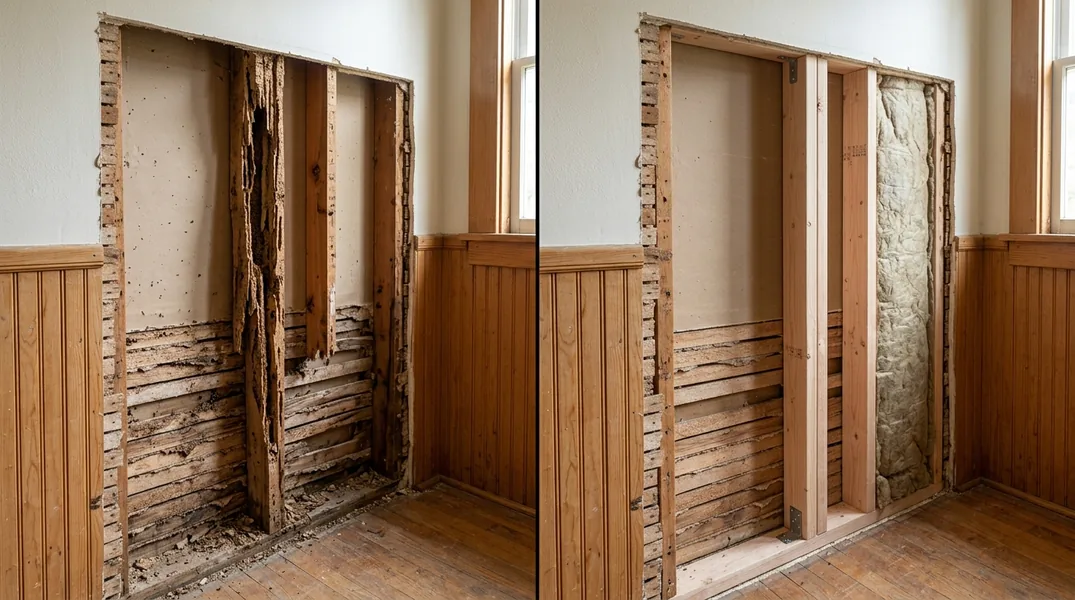
Why Colorado Springs Weather Is So Harsh on Wood
If you own a home in Colorado Springs, you've probably noticed something: the weather here is relentless. Our elevation of over 6,000 feet, combined with our unique geographic position east of the Rocky Mountains, creates a climate that's particularly punishing to wood structures. The combination of intense UV radiation, dramatic temperature swings, and frequent hailstorms makes Colorado Springs one of the toughest environments for maintaining wooden siding, roofs, and exterior trim.
The Front Range region experiences an average of 51 days of hail annually, according to the National Weather Service. That's significantly higher than most of the United States. When hail strikes wood siding or roofing, it doesn't just cause cosmetic damage. The impact creates cracks and splits that expose the wood's interior to moisture and UV rays. Once that protective outer layer is compromised, the degradation accelerates rapidly. What might seem like minor hail damage wood repair today can become a major structural problem within just a few seasons if left unaddressed.
Sun Damage and Wood Cracking: The Silent Destroyer
Colorado Springs receives approximately 243 days of sunshine per year, which sounds wonderful until you consider what it does to unprotected wood. The intense UV radiation at our elevation breaks down the lignin in wood fibers, causing the surface to gray and become brittle. More importantly, the sun creates extreme temperature differentials on wood surfaces. During the day, exposed wood can heat to 140 degrees Fahrenheit or higher, then cool dramatically at night. This constant expansion and contraction cycle causes wood to develop stress cracks that run perpendicular to the grain.
These cracks aren't just unsightly. They're entry points for moisture, insects, and fungal spores. Once moisture penetrates the wood, dry rot can develop, leading to structural compromise. This is why sun damage siding is such a common problem in our region. Many homeowners don't realize that the fading and cracking they see on their south and west-facing walls is the beginning of a much larger problem. The wood is literally being damaged from the inside out by the constant thermal cycling. Without intervention, what starts as cosmetic sun damage becomes a situation requiring serious Wood Rot & Dry Rot Repair.
How Hail Damage Leads to Dry Rot Problems
Hail damage wood repair isn't just about fixing cosmetic dents and dings. When hail strikes wood, it creates fractures that compromise the wood's natural weather resistance. Wooden siding and fascia boards are designed to shed water, but once they're cracked or splintered, water penetrates into the wood structure itself. In Colorado Springs' climate, this moisture doesn't evaporate quickly. Instead, it gets trapped in the wood, creating the perfect environment for fungal growth and dry rot.
The process happens faster than many homeowners expect. Within 6 to 12 months of significant hail damage, you may notice soft spots in the wood, discoloration, or a musty smell. These are all signs that Wood Rot & Dry Rot Repair is needed. The fungus spreads through the wood grain, weakening its structural integrity. If the damage reaches critical structural elements like roof trusses, wall studs, or rim boards, the repair costs escalate dramatically. This is why addressing hail damage promptly isn't just about aesthetics; it's about protecting your home's structural integrity.
Identifying Wood Damage Before It Becomes Severe
Early detection is your best defense against expensive repairs. After a hailstorm, conduct a thorough inspection of your home's exterior. Look for soft spots in siding and trim, cracks that run perpendicular to the wood grain, splintering, or areas where the wood feels spongy when you press on it. Pay special attention to south and west-facing walls, as these receive the most intense sun exposure. Check your roof from a safe distance using binoculars, looking for impact marks or areas where shingles have been dislodged.
Don't wait for visible rot to appear before taking action. By the time you see discoloration or soft wood, the damage is already well established. Wood cracking repair is most effective when performed soon after the damage occurs, before moisture has deeply penetrated the wood. If you're unsure whether your home has damage, contact Colorado Springs Carpentry at (719) 368-8936 for a professional assessment. We can identify damage that's not visible to the untrained eye and recommend the right repair approach before the problem worsens.
Wood Cracking Repair and Prevention Strategies
There are several approaches to wood cracking repair, depending on the severity and location of the damage. For minor surface cracks, a high-quality exterior wood filler can be applied and then sealed with weather-resistant stain or paint. However, if the cracks are deep, widespread, or located in structural areas, the wood typically needs to be replaced. This is where professional assessment becomes crucial. What looks like a simple crack might extend deep into the wood, or it might be the visible symptom of internal rot.
Prevention is equally important as repair. Maintaining a protective finish on all exterior wood is essential in our climate. Quality exterior stain or paint should be reapplied every 3 to 5 years, depending on sun exposure. Consider using UV-protective sealers designed for high-altitude climates. For areas prone to sun damage, you might explore options like metal flashing, vinyl trim, or composite materials that don't suffer from the same UV degradation as natural wood. After hailstorms, prompt inspection and repair of any damage prevents small problems from becoming major ones. Colorado Springs Carpentry can help you develop a maintenance plan tailored to your home's specific exposure and condition.
When to Call a Professional for Dry Rot Repair in Colorado Springs
While some homeowners tackle minor cosmetic repairs themselves, dry rot is not a DIY project. Wood Rot & Dry Rot Repair requires professional expertise because the rot often extends deeper than what's visible on the surface. Professionals use moisture meters and other diagnostic tools to determine the true extent of the damage. They can also identify whether the rot has spread to structural components that may require more extensive repairs, such as Floor Joist & Subfloor Repair or other structural work.
If you suspect dry rot or significant wood damage on your home, don't delay. The longer rot is allowed to spread, the more expensive the repairs become and the greater the risk to your home's structural integrity. Colorado Springs Carpentry specializes in identifying and repairing wood damage caused by our region's harsh climate. We'll provide a thorough inspection and a detailed estimate for any necessary work. Call us at (719) 368-8936 or visit our website to request a free estimate. We serve Colorado Springs and the surrounding areas, and we're ready to help protect your home.
Looking for a professional carpentry contractor in Colorado Springs? Colorado Springs Carpentry responds fast for all your carpentry needs.
Get a Free QuoteOur services: Wood Rot & Dry Rot Repair · Termite Damage Repair · Floor Joist & Subfloor Repair